
Diet plays a major role in how the body manages inflammation, and for many people with psoriasis, specific foods can make symptoms better—or much worse. While psoriasis is an immune-mediated condition, research shows that diet influences inflammatory pathways, gut health, metabolic balance, and overall skin function. Understanding which foods trigger psoriasis flare-ups and which foods reduce inflammation can help you manage symptoms more effectively.
How Diet Influences Psoriasis Inflammation
Psoriasis is driven by chronic immune activation involving cytokines such as TNF-α, IL-17, and IL-23. Certain foods can intensify these inflammatory pathways, while others calm them. A psoriasis-friendly diet focuses on stabilizing blood sugar, reducing oxidative stress, supporting gut microbiome balance, and maintaining a healthy weight—all factors known to influence psoriasis severity and flare frequency.
Foods That May Trigger Psoriasis Flare-Ups:
1. Processed Meats and Red Meat.
High-fat and processed meats are among the most commonly reported psoriasis triggers. They contain saturated fats and inflammatory compounds that worsen skin inflammation.
-
Can increase inflammatory cytokines.
-
Associated with more severe psoriasis plaques.
-
May worsen metabolic syndrome, which is linked to psoriasis.
Examples: Red meat, beef, lamb, mutton etc.
2. Sugar and High-Glycemic Foods.
Sugary foods spike insulin levels, driving inflammation that can worsen psoriasis. They can,
-
Increase IL-6 and TNF-α,
-
Promote weight gain, which is a major psoriasis risk factor,
-
Associated with more frequent flare-ups.
Avoid: Sugar in any form, sweetened beverages like coffee/tea, cakes & pastries, carbonated soft drinks, chocolates & candy, white bread, sugary cereals etc.
3. Alcohol.
Alcohol is one of the strongest dietary triggers for psoriasis.
- Weakens gut barrier → more systemic inflammation,
-
Triggers cytokine production,
-
Interacts negatively with some psoriasis medications.
Even moderate drinking may cause flare-ups in sensitive individuals.
4. Dairy Products.
Dairy, especially whole-fat dairy, may worsen psoriasis symptoms.
-
Milk proteins can trigger immune reactions,
-
Saturated fats may increase inflammation.
Some people tolerate low-fat or fermented dairy better.
5. Nightshade Vegetables.
For some patients with chronic inflammation, nightshades may aggravate symptoms.
-
They contain solanine, which may increase inflammation.
-
Common triggers: tomatoes, potatoes, eggplant, peppers etc.
Elimination for 2–4 weeks can help identify sensitivity.
6. Gluten (in gluten-sensitive individuals).
Patients with psoriasis are more likely to have gluten sensitivity.
-
Gluten can increase intestinal inflammation,
-
Removing gluten helps only if sensitivity exists.
Foods That Support Clearer Skin and Reduce Psoriasis Inflammation
1. Omega-3 rich, anti-inflammatory Foods.
Omega-3 fatty acids are among the best nutrients for psoriasis.
-
Reduce inflammatory cytokines,
-
Improve plaque severity,
-
Support heart and metabolic health.
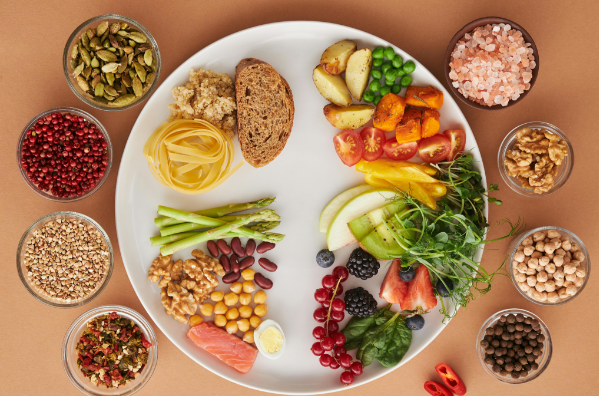
Eat more: Fish (sardines, mackerel), chia seeds, flaxseeds, walnuts.
2. Colorful Fruits and Vegetables.
Antioxidant-rich foods is essential for a psoriasis diet.
-
Supports gut and immune health,
-
Reduces oxidative stress,
-
Improves skin barrier function,
Best choices include berries, leafy greens, broccoli, citrus fruits, pumpkin, and carrots.
3. Whole Grains.
Whole grains help stabilize blood sugar and reduce psoriasis-related inflammation.
-
Support metabolic health,
-
Improve digestion,
-
Lower inflammatory markers.
Examples: Par-boiled / brown rice, oats, ragi, barley etc.
4. Anti-Inflammatory Herbs and Spices.
Many herbs and spices have clinically proven anti-inflammatory effects.
-
Turmeric (curcumin) reduces IL-17 and TNF-α,
-
Ginger supports digestion and lowers inflammation,
-
Garlic improves immune regulation.
Integrating spices, in moderation, into meals is a simple way to support skin health.
5. Probiotic and Fermented Foods.
Healthy gut bacteria play a major role in psoriasis management.
-
Improve gut barrier integrity,
-
Reduce systemic inflammation,
-
Regulate immune response.
Good choices: Curds & yogurt, buttermilk etc
6. Lean Protein Sources.
Lean protein helps maintain stable blood sugar and supports healthy weight.
-
Reduces metabolic stress,
-
Supports tissue repair,
-
Balances inflammatory pathways.
Options include fish, skinless poultry, soya, lentils, and beans.
7. Healthy Anti-Inflammatory Fats.
Psoriasis diets benefit from replacing saturated fats with healthier fats.
-
Olive oil reduces oxidative stress,
-
Nuts and seeds provide anti-inflammatory compounds.
These foods align with the Mediterranean diet, which is often recommended for psoriasis.
References
-
Gupta R. et al. Journal of the American Academy of Dermatology (2014).
-
Barrea L. et al. Nutrients (2015).
-
Upala S. et al. International Journal of Dermatology (2017).
-
Ford A.R. et al. Journal of the American Academy of Dermatology (2018).
-
Kim H. et al. Nutrition Reviews (2020).
-
Aleshin M. et al. American Journal of Clinical Dermatology (2019).
-
Egeberg A. et al. Clinical Epidemiology (2018).